
Homeowners face a big challenge when water damage hits. It could be from a natural disaster, a burst pipe, or an appliance leak. The key is to act fast to save as much as possible. A good house drying process is essential to get your home back to normal.
This process includes stopping water from getting in, using drying techniques, and measuring moisture. These steps help you fight water damage and get your home back.
Key Takeaways
- Quick action is essential in implementing water damage cleanup to prevent mold and additional damage.
- Determining the cause of water damage is the first step towards effective restoration.
- A proper house drying process includes dehumidification, air circulation, and the removal of wet materials.
- Monitoring moisture levels with advanced technology ensures a thorough drying and restoration process.
- Professional water damage restoration services can provide the expertise and equipment necessary to manage extensive damage efficiently.
Immediate Steps to Take Following Water Damage
When water damage hits your home, acting fast is key. It helps stop more damage and starts the water damage repair quickly. Knowing how to dry your house involves important steps for safety, damage control, and moisture removal methods.
Identifying the Source of Water Damage
First, find and stop the water source to prevent more damage. This might mean turning off the main water or fixing a leak. It’s critical to do this fast to dry out your home well.
Ensuring Electrical and Structural Safety
Before you do more, make sure your electrical system is safe. Turn off the main power if needed and get a licensed electrician to check for dangers. Also, check if your home’s structure is stable, as water damage can weaken it, risking safety.
Water Removal Techniques
Removing standing water is a key step in the first 24 to 48 hours after damage. Use pumps, vacuums, or special water extraction tools. Quick removal helps stop mold and lowers humidity inside.
Following these steps helps homeowners start fixing water damage and removing moisture. It’s the first step towards drying and restoring their property.
Strategies for Drying Out Your Home
After water gets into your home, acting fast is key. You need to start cleaning up the water damage right away. Using special dehumidifiers, improving air flow, and getting rid of wet stuff are important steps to dry your house.
Utilizing Dehumidification Techniques
Dehumidifiers are very important in removing moisture from the air. They work best in places where air can’t move freely. These dehumidification techniques help stop mold and mildew from growing, which is a big worry after water damage. It’s important to put dehumidifiers in the right spots to get rid of moisture well.
Implementing Air Circulation Methods
Getting air to move better is also key to drying out a wet house. Using big fans and opening windows helps air move over wet areas, making things dry faster. This method works with dehumidifiers to lower humidity in your home. Good air flow is very important in places like basements and attics, where air can get stuck.
Removing Saturated Items and Materials
- Immediate removal of soaked carpets and rugs: These can hold a lot of water, making it harder for your home to dry.
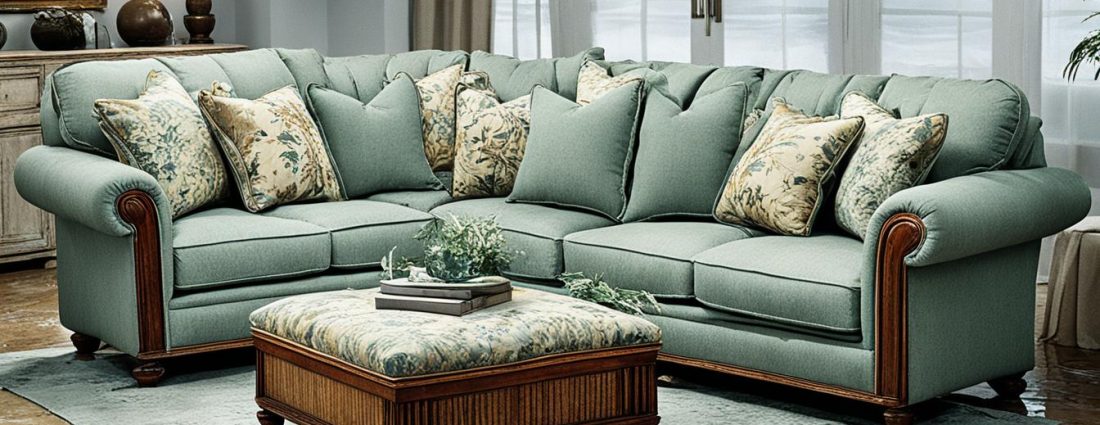
- Drying furniture and upholstery: Clean and dry them in the sun if you can, or use professional air movers and dehumidifiers indoors.
- Disposal of non-salvageable materials: If things like insulation, drywall, and wooden floors get too wet, they might need to be thrown away and replaced to stop mold from growing.
While drying your house, always check moisture levels with moisture meters. This helps make sure your home is getting dry and safe again for fixing and repairs.
Special Considerations in Water Damage Repair
When fixing water damage, it’s vital to think about safety and home integrity. This part talks about steps to handle mold and structural problems caused by water damage.
Dealing with Mold and Contamination
Stopping mold growth is key after water damage. Quick drying, cleaning, and using treatments against microbes are important. Places with high humidity need careful watching to keep air clean and avoid health issues from mold.
- Check moisture levels and find mold-prone spots
- Use dehumidifiers to keep indoor humidity stable
- Regularly clean air vents and filters
Addressing Structural and Electrical Concerns
Water damage can harm a home’s structure and electrical safety. It’s important to have experts check right away to avoid big problems. Making sure the electrical system is safe and working is a key part of fixing water damage.
- Check electrical circuits and outlets for water damage
- Look at structural parts like beams and joists for damage
- Replace damaged drywall and insulation to stop mold
Fixing water damage is more than just making things look good again. It’s about preventing mold and keeping the structure and electrical systems safe. By following these steps, homeowners can protect their homes and health from water damage’s lasting effects.
Conclusion
When water gets into your home, it’s important to act fast. You need to clean up the water damage quickly and remove all moisture. This is key to prevent more harm.
Water damage isn’t just about drying things out. It also means watching for mold and making sure everything is safe. This includes checking the structure and electrical systems. It’s all about keeping your home and family healthy and safe.
If you have a lot of water damage, getting help from experts is a good idea. They know how to fix things fast and safely. This way, your home can get back to normal, and you can feel safe again.
Rapid Recovery with Disaster Kleenup Specialists in California
From water and fire damage to mold and storm cleanup, Disaster Kleenup Specialists delivers fast, professional restoration when you need it most. Available 24/7 with expert care and free assessments. Don’t wait—call now to rebuild with confidence!