

Silica Dust Cleanup and Removal in Monterey, CA
Cutting, grinding, or demolishing concrete, stone, and masonry can release fine particles into the air, including respirable crystalline silica. Crystalline silica may also be present in certain building materials, including some plaster, drywall joint compound, and similar materials. It settles on every surface, drifts through HVAC systems, and lingers long after the work stops. On a busy construction or renovation site, that leftover dust is more than a housekeeping problem. It is a health and compliance concern that ordinary sweeping only makes worse.
Disaster Kleenup Specialists provides professional silica dust cleanup and removal for commercial, construction, and industrial clients across California’s Central Coast. Our teams use HEPA filtration, controlled containment, and detailed surface cleaning to remove silica dust safely, so your site is left clean, clear, and ready for the next phase.
As California continues to sharpen its focus on respirable crystalline silica and worker safety, having a professional cleanup partner in place matters more than ever. This page explains what silica dust is, where it comes from, why professional cleanup is important, and how DKS handles the job from containment through final cleaning.
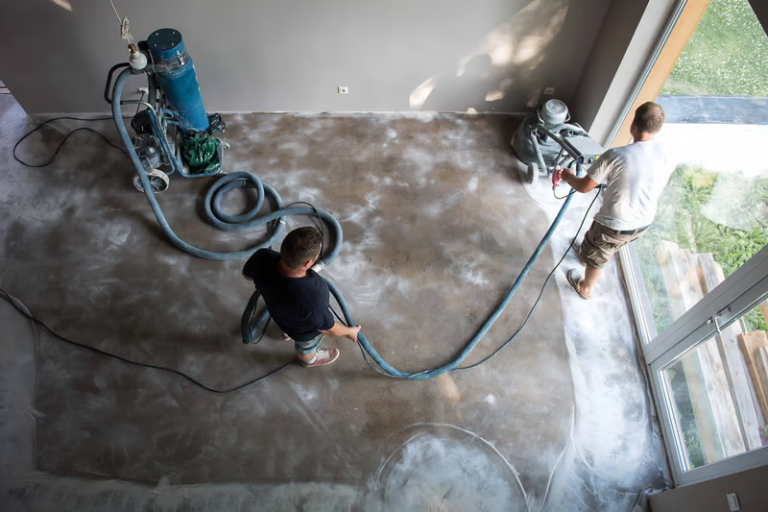
What Is Silica Dust?
Silica is one of the most common minerals on Earth. It is found in sand, stone, concrete, brick, mortar, and many engineered building materials. In its solid form, it is harmless. The concern begins when those materials are cut, drilled, ground, or broken, because that activity releases very fine particles known as respirable crystalline silica.
These particles are small enough to stay airborne for long periods and small enough to be inhaled deep into the lungs. Because the dust is so fine, it spreads far beyond the immediate work area and coats floors, walls, ductwork, equipment, and inventory. You cannot always see it, and you cannot reliably remove it by sweeping or with a standard shop vacuum, both of which can push the dust back into the air.
Where Does Silica Dust Come From?
Silica dust is generated almost any time construction, renovation, or fabrication work disturbs stone, concrete, or masonry. Common sources on Central Coast job sites include:
- Concrete cutting and grinding. Sawing, coring, and surface grinding of concrete floors, slabs, and walls.
- Demolition work. Breaking up concrete, brick, block, and tile during tear-outs and remodels.
- Stone and countertop fabrication. Cutting and finishing natural stone and engineered quartz, which can be high in crystalline silica.
- Masonry and tuckpointing. Cutting brick and block and grinding out old mortar joints.
- Drilling and chipping. Anchoring, coring, and chipping into concrete and masonry surfaces.
- Post-construction dust settlement. Fine dust that spreads across a finished space and its systems after the trades are done.
Wherever the source, the result is the same: a layer of hazardous dust that needs to be contained and removed properly before a space is safe to occupy or hand over.
What are Health Hazards of Silica Dust?
Respirable crystalline silica is a recognized occupational exposure hazard. Inhaling these fine particles may lead to serious and potentially permanent health effects. Repeated or high-level exposure can damage lung tissue and may lead to silicosis, lung cancer, chronic obstructive pulmonary disease (COPD), and other respiratory health problems. Exposure to respirable crystalline silica has also been associated with kidney disease and an increased risk of tuberculosis.
Because respirable silica particles can be too small to see and may remain airborne after construction, renovation, or demolition work has stopped, proper dust-control practices and professional silica dust cleanup are important when silica-generating work has occurred.
Why Is Professional Silica Dust Cleanup Important?
Respirable crystalline silica is a recognized health hazard, and California has continued to increase its attention to silica exposure and worker safety. For contractors, property owners, and facility managers, that means proper cleanup is not just good practice, it is part of protecting the people on site and keeping a project on the right side of a tightening regulatory environment.
Ordinary cleaning methods fall short here. Dry sweeping and standard vacuums lift fine silica particles back into the air, spreading the problem rather than solving it. Effective silica cleanup calls for the right containment, HEPA-rated filtration, and careful surface-by-surface cleaning. That is exactly the kind of controlled, professional work DKS was built to do.
Bringing in a professional cleanup team also protects your schedule and your reputation. A properly cleaned site can be handed over with confidence, occupants and inspectors see a clean space, and your crews stay focused on the work they do best instead of chasing dust they are not equipped to remove.
Our Silica Dust Cleanup Process
Disaster Kleenup Specialists approaches every silica cleanup as a controlled process, not a quick wipe-down. Our commercial cleanup services cover the full job, from sealing off the area to the final detailed cleaning.
Containment
Before cleaning begins, we isolate the affected area to keep silica dust from spreading into clean parts of the building. Controlled containment keeps the dust where it is, protects adjacent spaces and systems, and makes the removal itself far more effective.
HEPA Filtration and Vacuuming
We use HEPA-rated vacuums and air filtration to capture fine silica particles rather than redistribute them. HEPA filtration is designed to trap the very small particles that ordinary vacuums release back into the air, which is what makes it the appropriate standard for respirable dust.
Detailed Surface Cleaning
Silica dust settles on far more than the floor. Our teams clean surfaces throughout the affected area, including walls, ledges, fixtures, equipment, and other places dust collects, so the space is genuinely clean rather than just visibly tidy.
Post-Construction Cleanup
After the trades finish, we handle the fine dust left behind across a newly built or renovated space. Post-construction silica cleanup gets a site ready for occupancy, inspection, or handover, with the dust removed from surfaces and systems rather than simply pushed around.
Why Choose Disaster Kleenup Specialists for Silica Dust Cleanup?
DKS is not a general janitorial service. We are a professional cleanup and restoration company with decades of experience handling difficult, hazardous, and time-sensitive work on the Central Coast.
- Over 40 years of experience. Four decades of cleanup and restoration work for residential and commercial clients along California’s Central Coast.
- 4.9- Star Google Rating. Proudly backed by 300+ customer reviews reflecting our commitment to service throughout the community.
- Commercial and construction focus. Equipped and staffed to handle job-site and facility work, not just small residential tasks.
- Available 24/7. Reach our team any hour of any day when a site needs attention.
- WMBE certified. A certified Women and Minority Business Enterprise in the state of California.
- Positioned early in silica cleanup. As California increases its focus on silica exposure, DKS is building dedicated capability in this space so clients have a local partner ready.
Serving Monterey and California's Central Coast
Disaster Kleenup Specialists serves homeowners and businesses across Monterey, San Benito, Santa Cruz, and Santa Clara Counties. From Monterey, Pebble Beach, Carmel, Pacific Grove, Salinas, through the surrounding Central Coast communities, our teams respond quickly to keep projects moving and sites safe.
Need Silica Dust Cleaned? Call DKS
If concrete or silica dust has spread across your site, do not let it settle in. Contact Disaster Kleenup Specialists for professional silica dust cleanup, HEPA vacuuming, and detailed surface cleaning. Call us any time, day or night, or send us a message and our team will get right back to you.
Frequently Asked Questions About Silica Dust Cleanup
Silica dust is generated almost any time construction, renovation, or fabrication work disturbs stone, concrete, or masonry. Common sources on Central Coast job sites include:
- Concrete cutting and grinding. Sawing, coring, and surface grinding of concrete floors, slabs, and walls.
- Demolition work. Breaking up concrete, brick, block, and tile during tear-outs and remodels.
- Stone and countertop fabrication. Cutting and finishing natural stone and engineered quartz, which can be high in crystalline silica.
- Masonry and tuckpointing. Cutting brick and block and grinding out old mortar joints.
- Drilling and chipping. Anchoring, coring, and chipping into concrete and masonry surfaces.
- Post-construction dust settlement. Fine dust that spreads across a finished space and its systems after the trades are done.
Wherever the source, the result is the same: a layer of hazardous dust that needs to be contained and removed properly before a space is safe to occupy or hand over.
What are Health Hazards of Silica Dust?
Respirable crystalline silica is a recognized occupational exposure hazard. Inhaling these fine particles may lead to serious and potentially permanent health effects. Repeated or high-level exposure can damage lung tissue and may lead to silicosis, lung cancer, chronic obstructive pulmonary disease (COPD), and other respiratory health problems. Exposure to respirable crystalline silica has also been associated with kidney disease and an increased risk of tuberculosis.
Because respirable silica particles can be too small to see and may remain airborne after construction, renovation, or demolition work has stopped, proper dust-control practices and professional silica dust cleanup are important when silica-generating work has occurred.
Why Is Professional Silica Dust Cleanup Important?
Respirable crystalline silica is a recognized health hazard, and California has continued to increase its attention to silica exposure and worker safety. For contractors, property owners, and facility managers, that means proper cleanup is not just good practice, it is part of protecting the people on site and keeping a project on the right side of a tightening regulatory environment.
Ordinary cleaning methods fall short here. Dry sweeping and standard vacuums lift fine silica particles back into the air, spreading the problem rather than solving it. Effective silica cleanup calls for the right containment, HEPA-rated filtration, and careful surface-by-surface cleaning. That is exactly the kind of controlled, professional work DKS was built to do.
Bringing in a professional cleanup team also protects your schedule and your reputation. A properly cleaned site can be handed over with confidence, occupants and inspectors see a clean space, and your crews stay focused on the work they do best instead of chasing dust they are not equipped to remove.
Frequently Asked Questions About Silica Dust Cleanup
Can You Test for Silica Dust After Cleanup?
Yes. A qualified industrial hygienist can collect settled dust samples and have them analyzed by a laboratory for the presence of crystalline silica. Air sampling can also be performed to evaluate airborne respirable crystalline silica.
Unlike asbestos, Cal/OSHA does not establish a specific surface clearance level for silica dust that determines when an area has officially “passed” after cleanup. There is also no standardized OSHA surface wipe method specifically established for crystalline silica.
When appropriate, DKS can coordinate with a third-party industrial hygienist for silica testing before or after cleanup. Testing can provide additional information about site conditions and help determine whether further cleaning or dust-control measures may be needed.
Is silica dust cleanup different from regular construction cleanup?
Yes. Regular cleanup focuses on debris and general dust, while silica cleanup targets very fine respirable particles that ordinary sweeping and standard vacuums can send back into the air. Silica work calls for containment, HEPA filtration, and careful surface cleaning so the dust is captured and removed rather than redistributed.
Can I just sweep or use a shop vacuum for concrete dust?
Dry sweeping and standard shop vacuums are not suited to fine silica dust. They tend to lift the smallest particles back into the air, which spreads the problem instead of solving it. HEPA-rated vacuuming and filtration are designed to trap those fine particles, which is why professional cleanup is the safer choice.
Do you handle post-construction silica cleanup for commercial sites?
Yes. Post-construction cleanup is a core part of what we do. After the trades finish, DKS removes the fine dust left across surfaces and systems so a newly built or renovated space is ready for occupancy, inspection, or handover.
What areas does DKS serve for silica dust cleanup?
DKS serves Monterey, San Benito, Santa Cruz, and Santa Clara Counties along California’s Central Coast, including Monterey, Seaside, Marina, Royal Oaks, Salinas, and surrounding areas. For all your restoration and clean-up needs, our team is available 24 hours a day, 7 days a week, 365 days a year. Contact us today at 831-899-3938.