

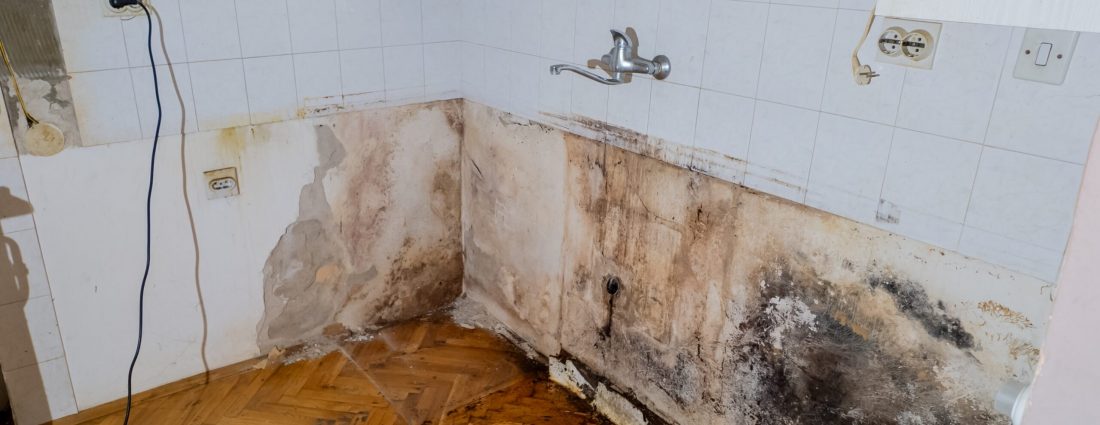
Homeowners often wonder if mold will come back after it’s been removed. Mold remediation services in Sand City, CA, work hard to keep homes safe. But, mold is very hard to get rid of because it loves damp, poorly ventilated places.
Mold spreads by releasing spores that stick to and break down materials. It can also make people very sick. Even if you fix the mold, it can come back if you don’t fix the moisture problem.
It’s important to know how often mold comes back after it’s been removed. To stop mold from coming back, you need to take good care of your Sand City home after the remediation. This means keeping an eye on moisture levels to prevent mold from growing again.
Key Takeaways
- Mold can resurface post-remediation if core moisture issues aren’t resolved.
- Professional mold remediation services in Sand City, CA, go beyond surface treatment by addressing the root causes of mold growth.
- The recurrence of mold is contingent upon environmental conditions, which must be carefully managed after remediation.
- Mold’s ability to deteriorate property and jeopardize health underscore the urgency for effective remediation and prevention strategies.
- Sand City homeowner diligence in maintaining dry, well-ventilated living spaces is critical in reducing mold reoccurrence rates.
- Utilizing mold-resistant products during repairs can contribute to long-term mold control.
- Regular home inspections for leaks and dampness are an essential component of post-remediation mold prevention.
The Science Behind Mold Regrowth Frequency in Sand City, CA
Mold can come back after it’s been removed because of how mold spore survival works. These tiny spores can stay alive and grow when the right conditions come along. Knowing how they survive helps us do a better job of removing mold and stopping it from coming back.
Understanding Mold Spore Survival
Mold spores are very tough and can survive in harsh conditions. Their small size and protective layers help them last until they find the right place to grow. This is why mold spore survival is key to understanding how often mold comes back.
Conditions That Promote Mold Regrowth
- Moisture: Damp surfaces are perfect for mold to grow.
- Organic Material: Things like wood and paper give mold food to grow.
- Temperature: Mold grows best in warm temperatures between 60 and 80 degrees Fahrenheit.
The Role of Humidity and Poor Ventilation in Recurring Mold
High humidity and bad ventilation help mold grow. These conditions keep moisture from drying, which is important for stopping mold from coming back. High humidity also helps mold spores survive and grow fast. So, controlling indoor humidity and improving air flow are key to stopping mold from coming back.
Common Reasons for Recurring Mold After Treatment
Understanding why mold keeps coming back after treatment is key. It often happens because of bad remediation, too much moisture, and the difference between DIY and pro mold removal.
Incomplete Remediation Practices
One big reason mold comes back is because it wasn’t fully removed. Remediation might miss mold in hidden spots like behind walls. This can lead to mold coming back fast, making the first treatment useless.
Unresolved Moisture Issues
Mold loves damp places, so water problems are a big issue. Water can come from leaks, high humidity, or condensation. If these aren’t fixed along with mold, mold will keep coming back.
DIY versus Professional Mold Remediation Differences
DIY mold removal often doesn’t solve the problem. Homeowners might not get rid of all mold. But pros have the skills and tools to find and remove all mold and moisture. This is why they’re better at stopping mold from coming back.
Hidden Mold and Missed Contaminations
Hidden mold and missed spots make mold hard to get rid of. These areas are often missed during the first clean-up. If not found and cleaned, mold can keep coming back.
To really get rid of mold, you need a deep and professional clean. It’s not just about treating the surface. You also need to find and fix the root causes and control moisture well.
Preventing Mold Recurrence Post-Remediation in Sand City, CA
To fight mold recurrence, a multi-faceted approach is needed. This means tackling mold right away and setting up long-term prevention plans. Keeping indoor conditions right and using the right materials are key to stopping mold from coming back.
Maintaining proper humidity levels is vital. Indoor humidity should stay between 30% and 50% to keep mold spores away. Using dehumidifiers and checking humidity with hygrometers can help a lot in preventing mold regrowth.
It’s also important to regularly check for water leaks and dampness. Pay attention to places like basements, bathrooms, and near windows. Fixing leaks early can stop mold from growing again.
Improving air flow in your Sand City home is another key step. Boosting home ventilation systems in Sand City helps lower moisture, which stops mold. Installing vents in wet areas and keeping HVAC systems in good shape helps keep your home mold-free.
Lastly, using mold-resistant materials during building or renovations helps a lot. Materials like mold-resistant drywall or paints with mold inhibitors offer long-lasting protection. They are a big part of a good mold prevention plan.
By following these steps, managing mold recurrence becomes easier and more effective. Each action, from keeping humidity right to choosing the right materials, works together to prevent mold. This helps create a healthier, mold-free space.
Conclusion
Mold coming back after it’s been removed isn’t inevitable. This article has shown that it can be stopped. To keep mold away, we need to tackle the main causes. These include humidity, air flow, and doing a good job of cleaning up.
In Des Moines, it’s important to get help from experts in mold removal. Companies like Disaster Kleenup Specialists do more than just get rid of mold. They help prevent it from coming back. This means keeping your home safe from mold in the future.
Preventing mold is an ongoing process. It requires teamwork between homeowners and mold removal experts. By being careful and taking care of your Sand City home, you can stop mold from coming back. This way, you can make your home a safer and more lasting place.
Rapid Recovery with Disaster Kleenup Specialists in California
From water and fire damage to mold and storm cleanup, Disaster Kleenup Specialists delivers fast, professional restoration when you need it most. Available 24/7 with expert care and free assessments. Don’t wait—call now to rebuild with confidence!