

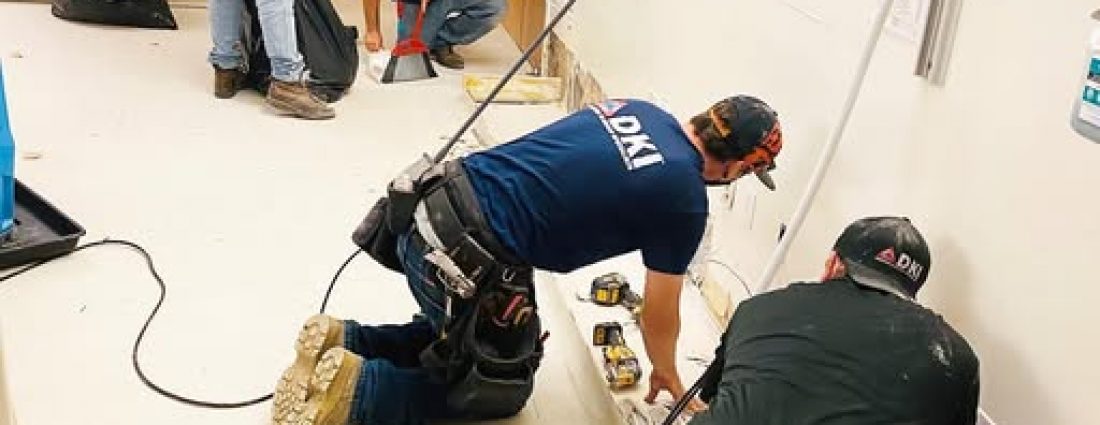
Water damage never picks a good time to show up. Maybe a pipe burst overnight, or a storm pushed rain through a weak spot in your roof. Either way, you’re standing in your kitchen or your storage room wondering what to do next.
Here’s the truth: the first few hours matter. What you do (and don’t do) after water damage can make the difference between a quick recovery and a much bigger mess down the road. This guide covers what to do after water damage shows up in your Monterey home or business, from the moment you spot it to the point where you might need to call in professional help.
We’ll walk through safety checks, how to document the damage for your insurance company, and how to tell when it’s time to bring in a water damage restoration team. None of this is meant to replace a professional assessment. It’s meant to help you protect yourself and your property while you figure out your next move.
Check For Safety Hazards First
Before you grab a mop or start moving furniture, stop and look around. Water and electricity are a dangerous combination, and a soaked structure can hide problems you can’t see from the doorway.
- Turn off electricity to any affected area at the breaker box, but only if you can reach it without stepping through standing water
- Avoid touching outlets, switches, or appliances that are wet or sitting in water
- Watch for sagging ceilings, warped flooring, or cracked walls, since these can signal structural damage
- Keep kids and pets away from the affected area until you know it’s safe
- Wear boots and gloves if you need to move through the space
If the water looks dirty, has a strange smell, or came from a source like a sewer backup, stay out and consider it contaminated. That kind of water needs professional handling, not a mop and bucket.
Stop The Source If You Can Do It Safely
Once you know the area is safe to enter, figure out where the water is coming from. A burst pipe, an overflowing appliance, and a roof leak all call for different responses.
If it’s a plumbing issue, shutting off the main water valve to your home or business can stop things from getting worse. If the water is coming from a leaking roof during a storm, there may not be much you can do until conditions clear up enough for a proper look. Either way, don’t wait around hoping the leak fixes itself.
Document Everything Before You Start Cleaning
This step gets skipped more than it should, and it’s one that homeowners and business owners tend to regret later. Before you touch anything, take photos and video of the damage.
- Capture wide shots of each room, then close-ups of specific damage
- Photograph furniture, electronics, flooring, and personal belongings that got wet
- Write down the date and approximate time you discovered the water damage
- Keep any receipts for temporary repairs, like a plumber’s emergency visit
- Make a simple list of damaged items as you go, instead of trying to recall everything later
This kind of documentation gives your insurance company a clear picture of what happened and when. It also gives a restoration team a starting point once they arrive.
Start Removing Water And Drying The Space
If it’s safe to do so, removing standing water quickly helps limit how far the damage spreads. Mops, towels, and a wet/dry vacuum can handle smaller amounts. For anything more than a puddle or two, this step gets a lot harder to manage on your own.
Open windows if the weather allows it, and run fans or a dehumidifier if you have one. Moving wet items away from carpet and flooring can also help. Just keep in mind that materials like drywall, insulation, and carpet padding hold onto moisture in ways that aren’t always obvious from the surface, which is part of why untreated water damage so often turns into a mold problem.
Contact Your Insurance Company
Once you’ve handled the immediate safety concerns and documented the damage, call your insurance company to start the claims process. Have your photos, notes, and any receipts ready when you talk to them.
Disaster Kleenup Specialists works with your insurance company throughout the claims process, which can take some pressure off during an already stressful time. A restoration team that’s used to working alongside adjusters can help keep the process moving.
What To Do After Water Damage Gets Serious
So how do you know when this is bigger than a DIY job? A few signs point toward calling in help rather than handling it alone.
- Standing water has been sitting for more than a day
- The water came from a contaminated source, like a sewer backup or floodwater
- You’re seeing or smelling signs of mold already
- Carpet, drywall, or flooring is visibly warped or soft
- The affected area is large, or spread across multiple rooms
What to do after water damage matters most once any of these signs show up, because delays give moisture more time to spread into places you can’t easily reach. Disaster Kleenup Specialists is IICRC certified in water damage restoration, and our team is available 24 hours a day, 7 days a week for homeowners and business owners across Monterey, San Benito, Santa Cruz, and Santa Clara Counties.
What Happens When You Call Disaster Kleenup Specialists
Once you reach out to Disaster Kleenup Specialists, our team starts by evaluating the extent of the damage and putting together a plan for repairs. From there, we clean, dry, and take inventory of the contents in the building, safely storing recovered items until the space is ready for them again.
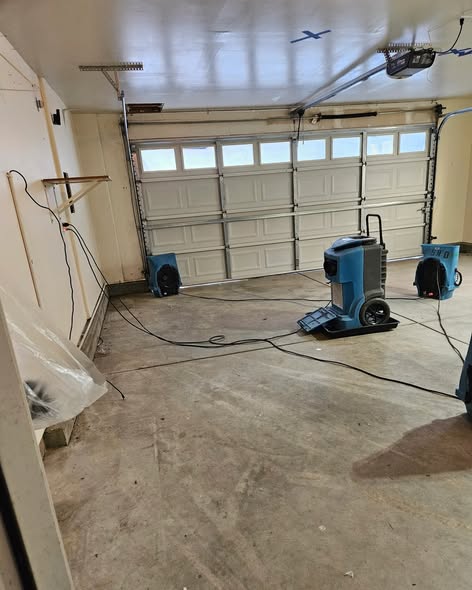
We extract standing water and disinfect the affected areas, then bring in air circulation and dehumidifying equipment to dry the space thoroughly. Once that’s done, we clean and deodorize the structure and make any flooring or structural repairs that are needed. If mold has already taken hold, Disaster Kleenup Specialists also offers mold remediation services.
Don’t Wait On Water Damage
The longer water sits, the more it can spread into places you can’t see. If you’re dealing with water damage in your Monterey home or business right now, reach out for help getting your property back in order.
Contact Disaster Kleenup Specialists any time, day or night, to talk with our team about your situation.
Frequently Asked Questions
What should I do first after discovering water damage?
Start by checking for safety hazards. Turn off electricity to the affected area if you can reach the breaker box safely, and stay out of standing water near outlets or appliances. Once you know the space is safe, try to identify and stop the water source if possible, such as shutting off a main water valve. After that, document the damage with photos and video before you start cleaning anything up. These first steps protect you physically and give you a clear record for your insurance company and any restoration team you bring in later.
Should I try to dry everything out myself?
For small amounts of water, towels, a wet/dry vacuum, fans, and a dehumidifier can help you get started. But water tends to soak into materials like drywall, carpet padding, and insulation in ways you can’t always see from the surface. If the affected area is large, if water has been sitting for a while, or if you’re not sure how deep the moisture has traveled, it’s worth calling a professional restoration team so hidden moisture doesn’t turn into a bigger mold or structural problem later.
Do I need to call my insurance company right away?
Once you’ve handled immediate safety concerns and taken photos of the damage, contacting your insurance company sooner rather than later is a smart move. Having your documentation ready, including photos, notes on when the damage happened, and any receipts for temporary repairs, helps the claims process go more smoothly once you’re on the phone with an adjuster. Disaster Kleenup Specialists works with your insurance company throughout the claims process, so if you’re already working with a restoration team, they can often help coordinate that conversation alongside you rather than leaving you to sort it out on your own.
When should I call a professional restoration company?
Consider calling a professional if standing water has been sitting for more than a day, if the water came from a contaminated source like a sewer backup, if you notice signs of mold, or if flooring and walls feel soft or warped. Large or widespread damage is also a good reason to bring in help rather than manage it alone. Disaster Kleenup Specialists is IICRC certified in water damage restoration and available 24 hours a day, 7 days a week across Monterey, San Benito, Santa Cruz, and Santa Clara Counties.
Is water damage from a burst pipe different from flood damage?
Both situations call for quick action, but the water itself can be very different. A burst pipe usually involves cleaner water, at least at first, while floodwater or sewer backups are often contaminated with bacteria and other hazards, which means they require more careful handling from the start. Either way, the general first steps are similar: check for safety hazards, stop the source if you’re able to safely, document everything with photos, and reach out to a restoration team if the damage is significant or you suspect the water may be contaminated in any way.