
Experiencing a flood can be very stressful. But, one of the most important steps is checking for mold. Mold grows where there’s moisture, like in drywall, insulation, and upholstery. It’s key to know how to test for mold after a flood to keep your home safe and healthy.
Even though there’s no standard for mold levels, it’s important to take action. If water damage areas stay wet for more than 24 to 48 hours, mold might have started growing.
Key Takeaways
- Mold can grow on a variety of surfaces affected by moisture from flooding.
- Home mold test after flooding is vital for maintaining indoor air quality.
- Assume mold growth if moisture persists beyond 24 to 48 hours.
- There are no standardized benchmarks for mold levels, but remediation steps are essential.
- Mold detection after water damage is key to preventing health risks and further property damage.
Understanding the Risks of Mold After a Flood
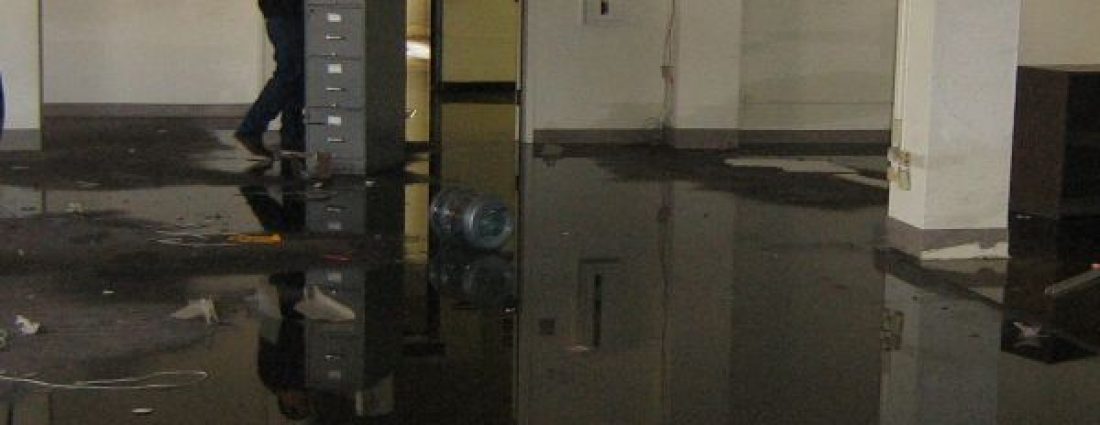
When a flood hits your property, it’s not just the water damage you should worry about. Mold growth is a big concern. Mold can start growing in just 24 to 48 hours in damp places. It’s important to fix flood damage fast to prevent mold.
Health Impacts of Mold Exposure
Mold exposure can harm your health, more so for those with breathing problems or weak immune systems. Symptoms include stuffy nose, sore throat, coughing, and in bad cases, asthma attacks. Watching out for these signs is key to avoiding mold’s health risks.
Why Mold Grows After a Flood
Mold loves moist places, and flooded homes are perfect for it. To stop mold, you need to act quickly. Drying and airing out your home are essential steps. Knowing why mold grows after a flood helps you protect your home from its dangers.
How to Test for Mold After a Flood
After a flood, it’s key to check for mold to keep your home safe. Mold can start growing in 24-48 hours after water damage. So, acting fast is very important.
Common Signs of Mold Growth
Spotting mold after a flood is easy if you know what to look for. Look for discolored spots on walls, ceilings, or floors. These can be black, green, or white.
A musty smell is also a sign of mold. Any area that stays damp or water-damaged for a long time is likely to grow mold.
When Professional Mold Testing is Necessary
If you think there’s mold but can’t see it, get professional help. If the moldy area is over 10 square feet, or if vulnerable people are at risk, testing is key. A DIY mold test kit can give you a hint, but it’s not as reliable as a pro’s test.
It’s also important to control moisture to stop mold from growing more.
Steps to Take If You Find Mold
Finding mold after a flood is alarming. But, acting fast is key. Quick action stops more contamination and health risks. Follow these steps to keep your home safe and mold-free.
Immediate Actions to Remove Mold
When you find mold, act quickly. Start by cleaning non-porous surfaces with soap and water. This removes visible mold.
For items like carpets and insulation that got wet, throw them away. They can’t be fully cleaned and might grow mold again. It’s important to clean thoroughly to keep your home healthy.
Preventing Further Mold Growth
To stop mold from coming back, fix moisture problems. Dry your home well. Use dehumidifiers and fans to help dry it faster.
Fix leaks, improve air flow, and use mold-resistant products. Regular checks for mold can also help stop it from growing.
When to Call a Professional
Some mold problems are too big for DIY fixes. If mold keeps coming back, gets into your HVAC, or needs special chemicals, call experts. Mold remediation pros have the right tools and know-how to get rid of mold completely. They make sure your home is safe and free of mold.
Conclusion
After a flood, checking for mold is very important for homeowners. It’s key to understand mold risks and control it after flood damage. This helps protect your home and health.
Floodwaters are perfect for mold to grow. So, acting fast and thoroughly is needed to stop mold problems.
First, spotting mold signs and acting quickly can stop bigger issues. Cleaning up right and controlling moisture helps prevent mold from coming back. Sometimes, you might need a pro for big mold problems to keep everyone safe.
Knowing how to test for and deal with mold makes homes safer after floods. Learning about mold risks and quick fixes helps keep your home safe and healthy for your family.
Rapid Recovery with Disaster Kleenup Specialists in California
From water and fire damage to mold and storm cleanup, Disaster Kleenup Specialists delivers fast, professional restoration when you need it most. Available 24/7 with expert care and free assessments. Don’t wait—call now to rebuild with confidence!